Blog
February 7, 2024
Seeds: A Journey Through Time
Blog
February 7, 2024
Seeds: A Journey Through Time
“Plant genetic resources are the biological basis of food security and, directly or indirectly, support the livelihoods of every person on Earth”( FAO, 1997)
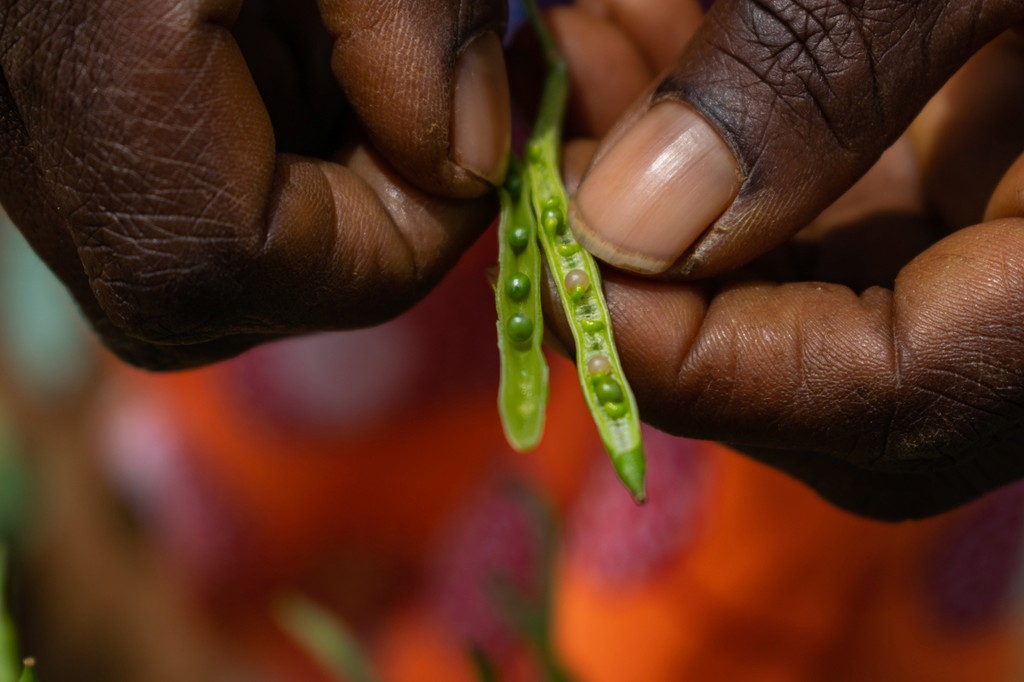
Have you ever spent a moment with smallholder farmers, watching them toil in their fields, witnessing their daily dance with nature? It's a humbling experience. Each seed they plant isn't just a future crop; it's a story—a saga of ancestral experimentation, frustration, success, and innovation. Think about it: every seed has been carefully selected and nurtured through generations, each carrying the weight of history and the promise of tomorrow.
Every vegetable, grain, and fruit in your pantry has a tale to tell. When you choose to eat with the seasons, you're not just making a dietary choice; you're tuning into the vibrant story of your local land, its history, and the communities that bring it to life. It's astonishing to realize that the food we enjoy is a gift from the living stories within each tiny seed.
Seeds have co-evolved with people, landscapes, and entire societies. Despite our current ecological crises, smallholder farmers and indigenous communities continue to produce a significant portion of our food. These farmers are the true stewards of our agricultural biodiversity. Yet, these guardians face enormous pressures—climate change, droughts, floods, pests.
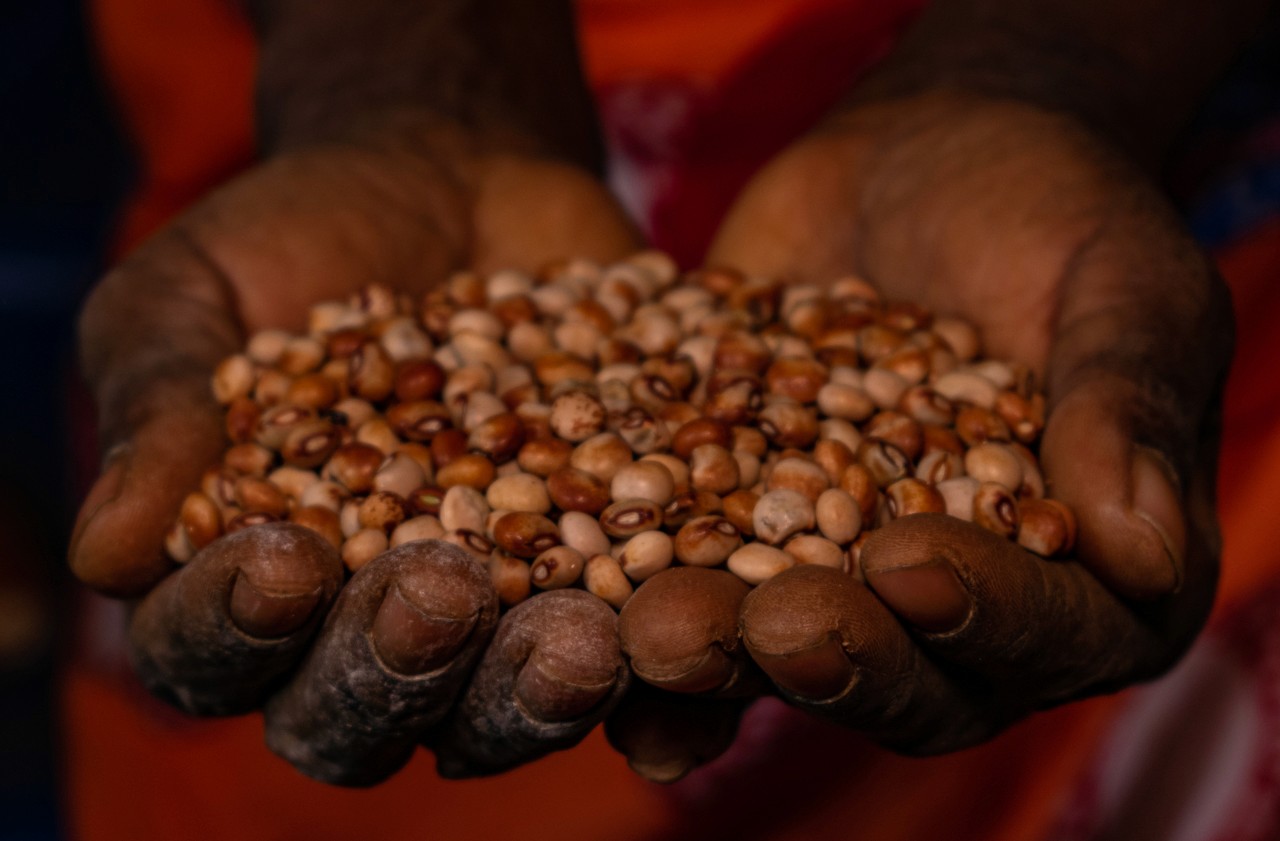
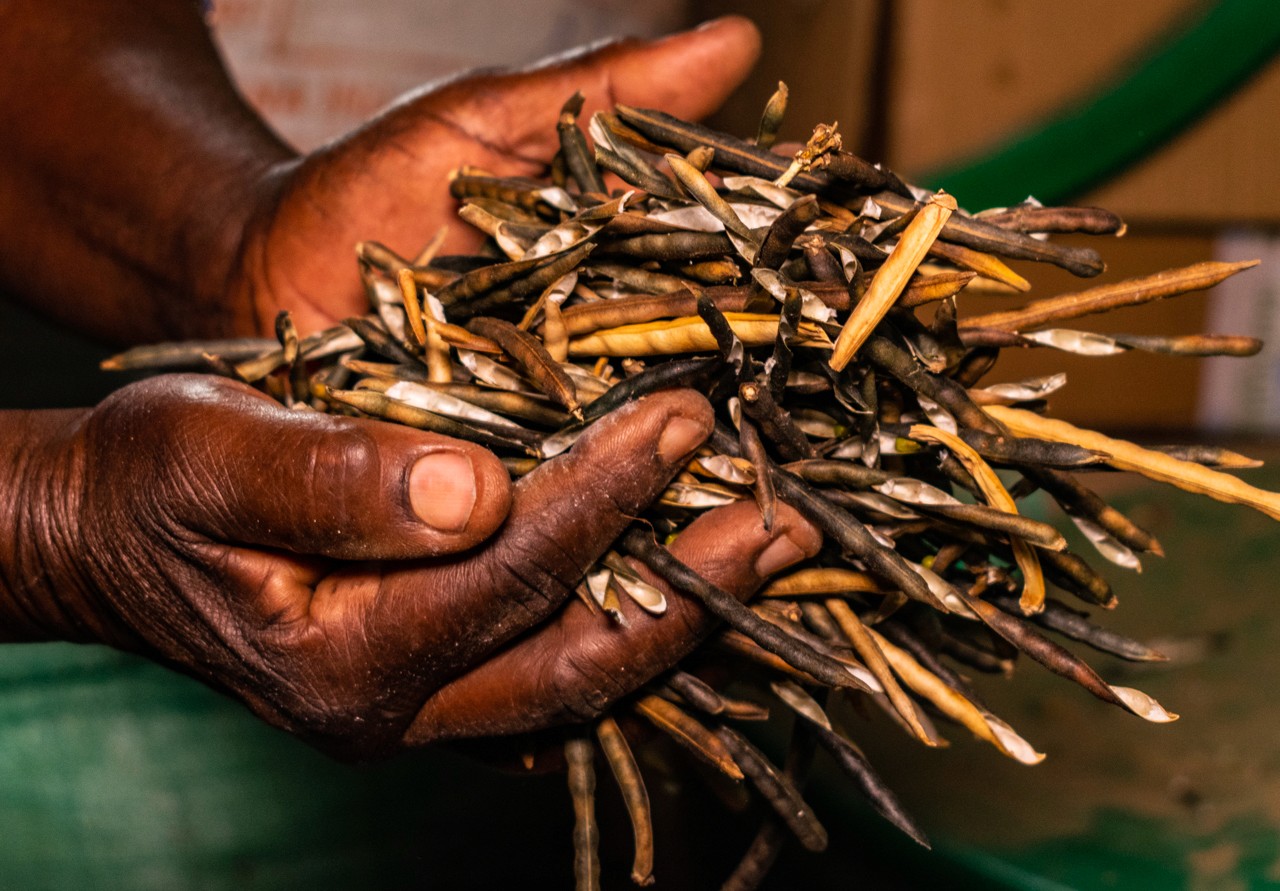
In Kenya, over 80% of the seeds used by smallholder farmers come from informal or farmer-managed seed systems. These systems are sustained through generations, with farmers saving, reusing, exchanging, and selling seeds within their communities.
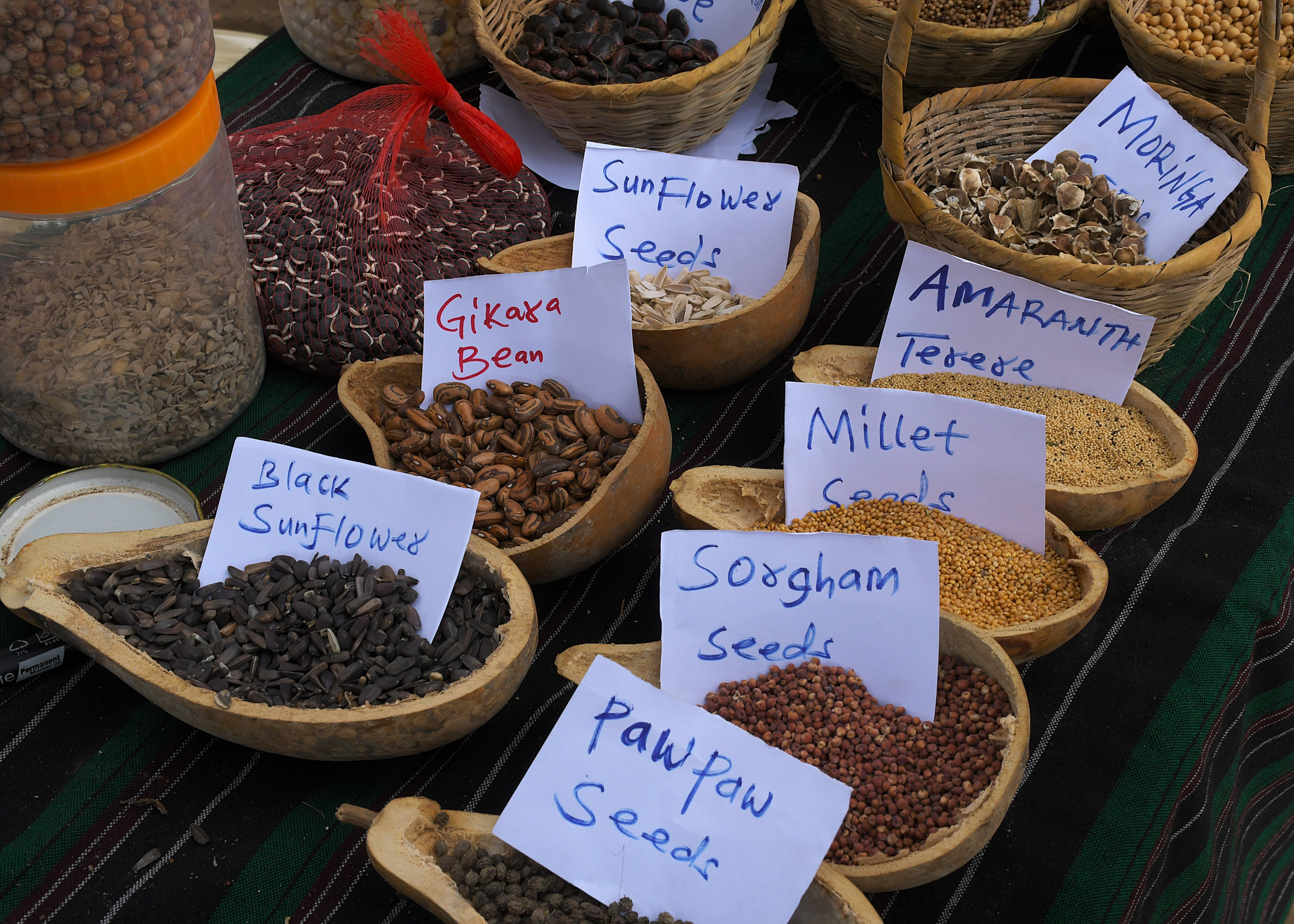
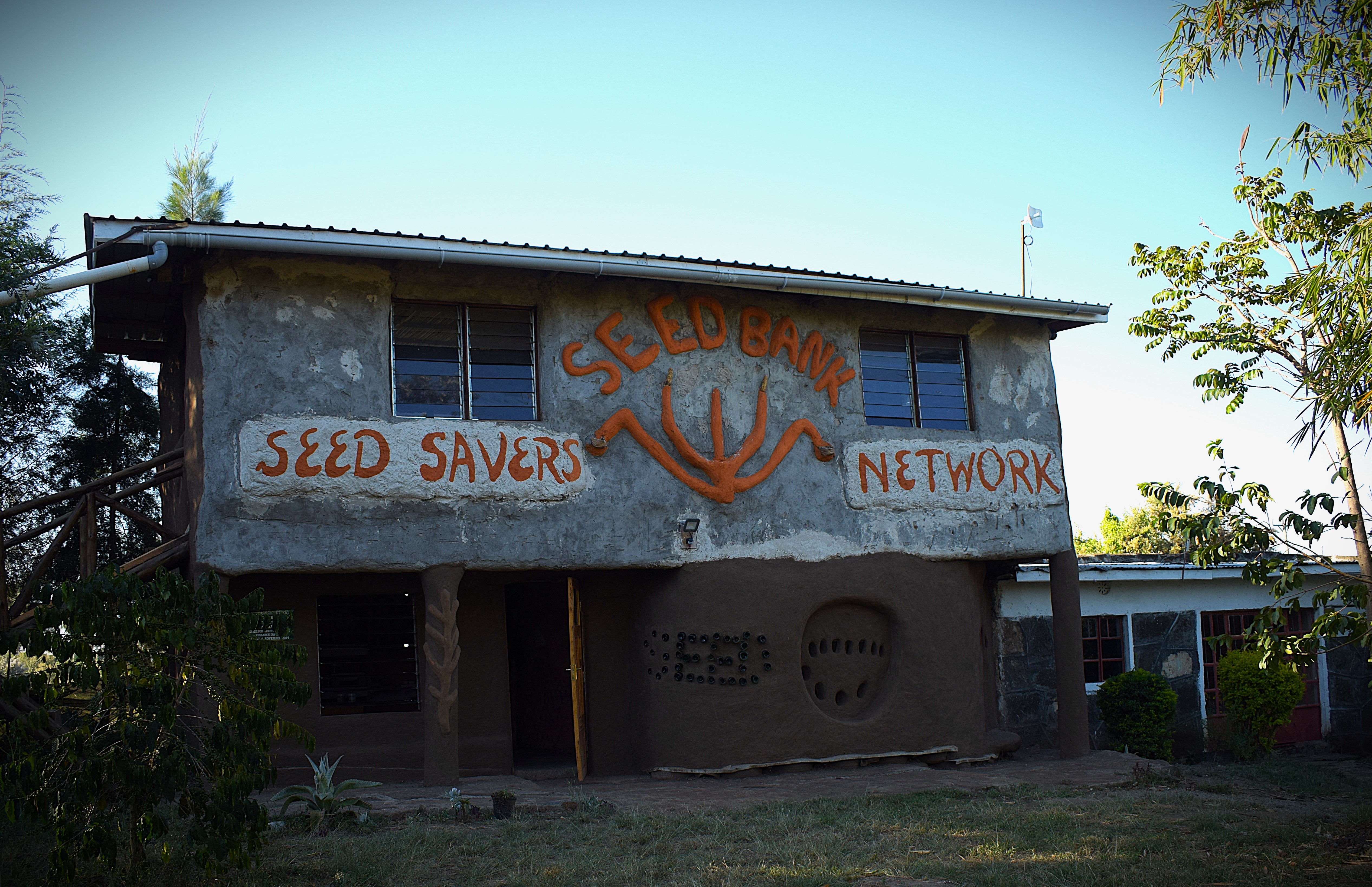
Seed Savers Network Kenya (SSN), is a grassroots organization dedicated to preserving Indigenous seeds and promoting seed sharing. SSN has established 51 community seed banks, serving over 60,000 farmers across Kenya.
One of the most effective methods used by Seed Savers Network is the farmer-to-farmer extension model. This approach leverages traditional knowledge, fostering a collaborative and inclusive learning environment. It’s a low-cost, high-impact model that ensures the widespread adoption of sustainable practices.
Community seed banking is crucial, especially in industrial agriculture, which often reduces genetic diversity and increases vulnerability to pests and diseases. By preserving heirloom and regional seeds, these banks provide a safety net for farmers, ensuring they have access to quality seeds even in times of crisis.
Have you ever spent a moment with smallholder farmers, watching them toil in their fields, witnessing their daily dance with nature? It's a humbling experience. Each seed they plant isn't just a future crop; it's a story—a saga of ancestral experimentation, frustration, success, and innovation. Think about it: every seed has been carefully selected and nurtured through generations, each carrying the weight of history and the promise of tomorrow.
Every vegetable, grain, and fruit in your pantry has a tale to tell. When you choose to eat with the seasons, you're not just making a dietary choice; you're tuning into the vibrant story of your local land, its history, and the communities that bring it to life. It's astonishing to realize that the food we enjoy is a gift from the living stories within each tiny seed.
Seeds have co-evolved with people, landscapes, and entire societies. Despite our current ecological crises, smallholder farmers and indigenous communities continue to produce a significant portion of our food. These farmers are the true stewards of our agricultural biodiversity. Yet, these guardians face enormous pressures—climate change, droughts, floods, pests.
In Kenya, over 80% of the seeds used by smallholder farmers come from informal or farmer-managed seed systems. These systems are sustained through generations, with farmers saving, reusing, exchanging, and selling seeds within their communities.
Seed Savers Network Kenya (SSN), is a grassroots organization dedicated to preserving Indigenous seeds and promoting seed sharing. SSN has established 51 community seed banks, serving over 60,000 farmers across Kenya.
One of the most effective methods used by Seed Savers Network is the farmer-to-farmer extension model. This approach leverages traditional knowledge, fostering a collaborative and inclusive learning environment. It’s a low-cost, high-impact model that ensures the widespread adoption of sustainable practices.
Community seed banking is crucial, especially in industrial agriculture, which often reduces genetic diversity and increases vulnerability to pests and diseases. By preserving heirloom and regional seeds, these banks provide a safety net for farmers, ensuring they have access to quality seeds even in times of crisis.
“Plant genetic resources are the biological basis of food security and, directly or indirectly, support the livelihoods of every person on Earth”( FAO, 1997)
Have you ever spent a moment with smallholder farmers, watching them toil in their fields, witnessing their daily dance with nature? It's a humbling experience. Each seed they plant isn't just a future crop; it's a story—a saga of ancestral experimentation, frustration, success, and innovation. Think about it: every seed has been carefully selected and nurtured through generations, each carrying the weight of history and the promise of tomorrow.
Every vegetable, grain, and fruit in your pantry has a tale to tell. When you choose to eat with the seasons, you're not just making a dietary choice; you're tuning into the vibrant story of your local land, its history, and the communities that bring it to life. It's astonishing to realize that the food we enjoy is a gift from the living stories within each tiny seed.
Seeds have co-evolved with people, landscapes, and entire societies. Despite our current ecological crises, smallholder farmers and indigenous communities continue to produce a significant portion of our food. These farmers are the true stewards of our agricultural biodiversity. Yet, these guardians face enormous pressures—climate change, droughts, floods, pests.
In Kenya, over 80% of the seeds used by smallholder farmers come from informal or farmer-managed seed systems. These systems are sustained through generations, with farmers saving, reusing, exchanging, and selling seeds within their communities.
Seed Savers Network Kenya (SSN), is a grassroots organization dedicated to preserving Indigenous seeds and promoting seed sharing. SSN has established 51 community seed banks, serving over 60,000 farmers across Kenya.
One of the most effective methods used by Seed Savers Network is the farmer-to-farmer extension model. This approach leverages traditional knowledge, fostering a collaborative and inclusive learning environment. It’s a low-cost, high-impact model that ensures the widespread adoption of sustainable practices.
Community seed banking is crucial, especially in industrial agriculture, which often reduces genetic diversity and increases vulnerability to pests and diseases. By preserving heirloom and regional seeds, these banks provide a safety net for farmers, ensuring they have access to quality seeds even in times of crisis.
Other Blogs
Other Blogs
Check our other project Blogs with useful insight and information for your businesses
Other Blogs
Other Blogs
Check our other project Blogs with useful insight and information for your businesses

Other Blogs
Other Blogs
Check our other project Blogs with useful insight and information for your businesses